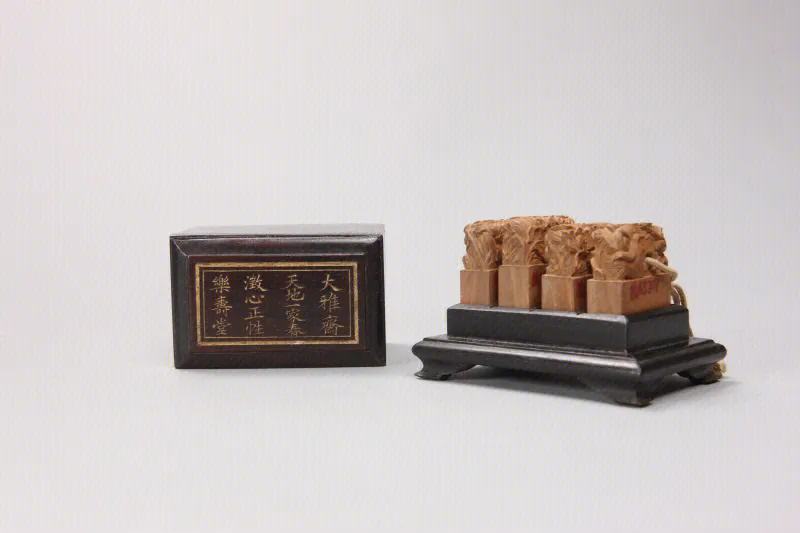
Although Japanese seal carvers often use small round wood seals, I’ve seldom seen wood used by Chinese artists—up until now. The majority of early Chinese seals were cast in bronze and most modern seals, at least since the Ming dynasty, have been carved in stone. Other materials were infrequently used. But I just found that the Palace Museum in Beijing has digitized it’s entire collection and there I found quite a few wood seals. Although this is the first time I’ve seen these—they aren’t shown in any books on Chinese seals—I can guess they were used for routine, day-to-day, Palace business though, as you can see from the image here, some were considered important enough to save as a collection in a custom wooden box. All are from the Qing dynasty though it’s possible, since wood is perishable, they may have been used in earlier dynasties.
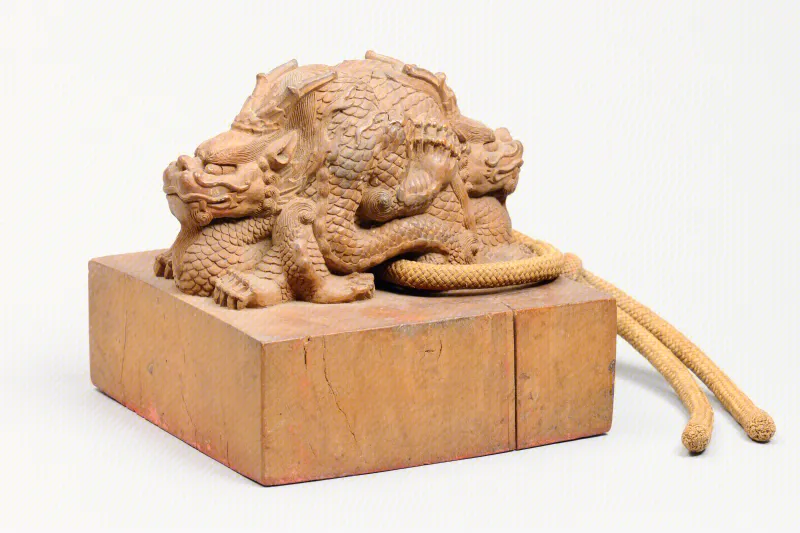
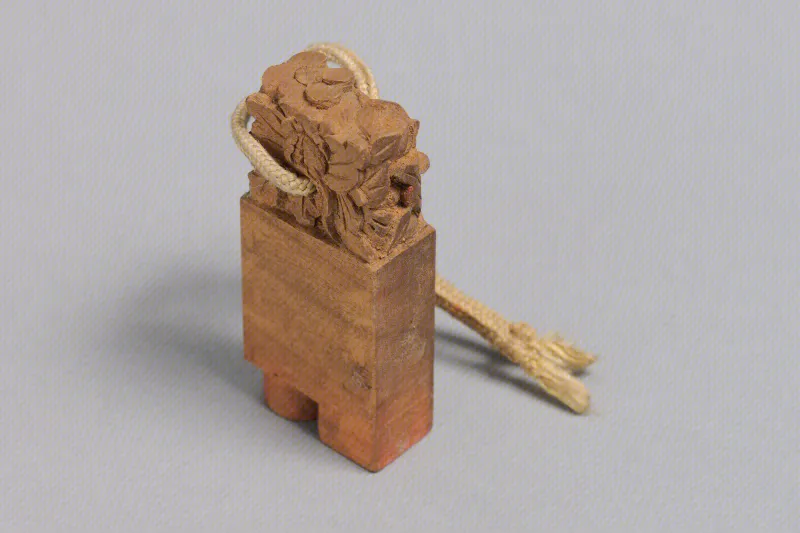
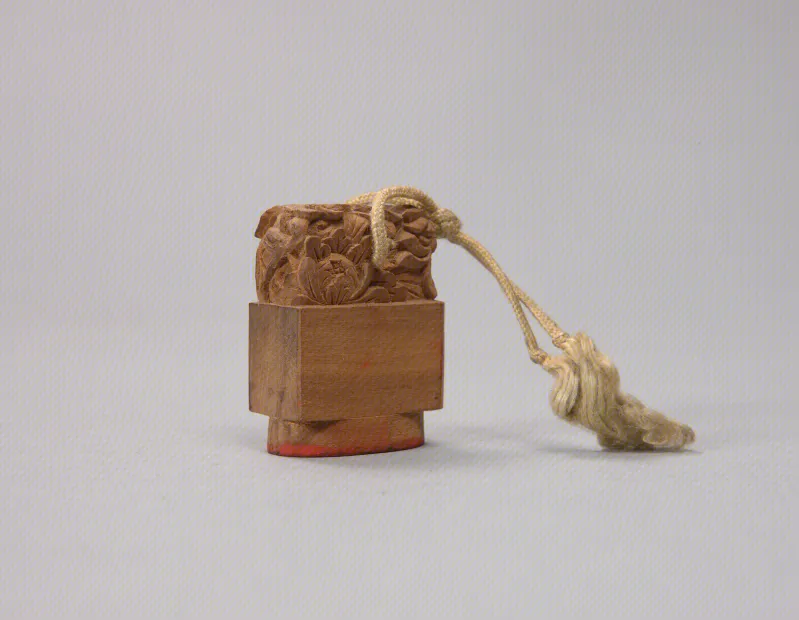
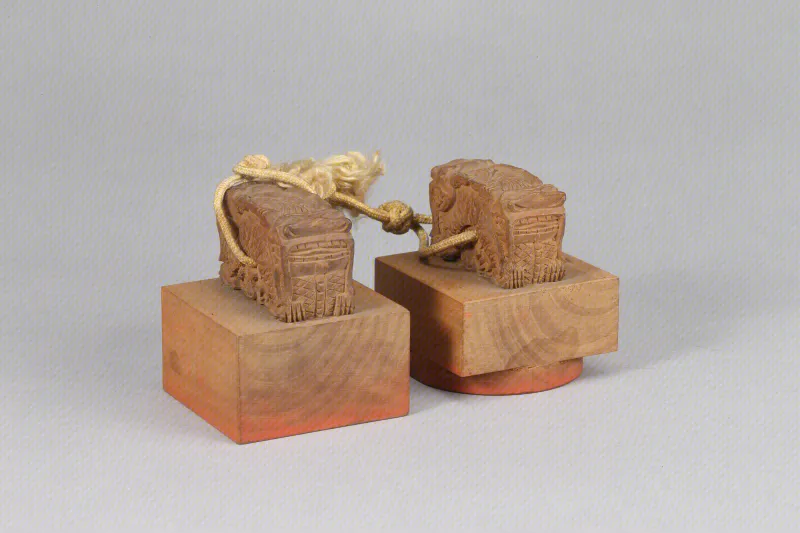
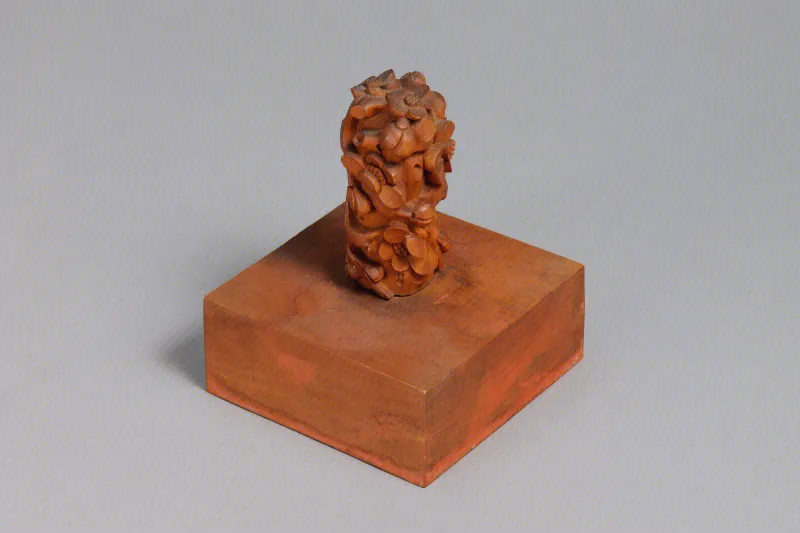
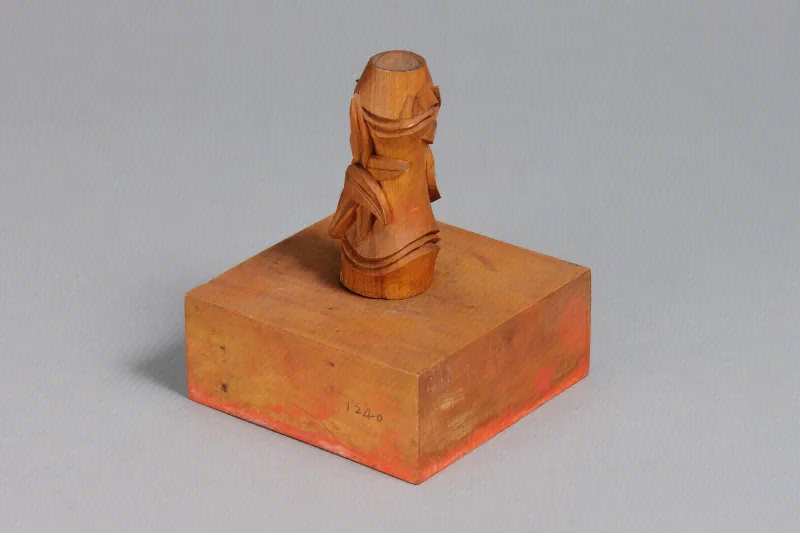
Here are some examples of wooden seals from the Palace collection with carved knobs. The first has much higher quality carving than the others. The second has a round seal face. Others have an oval face and some are double seals, either both carved on the same block or, in one example, carved on two blocks with one round seal face and one square seal face; these were obviously meant to be used as a pair since the ribbon ties them both together. Irregularly shaped seals and double seals are most often used for personal seals and not for official use (although the Qing emperor Qianlong used oversize oval seals). Perhaps these were carved in the palace workshops for the use of the emperor and his retinue but I don’t understand, in that case, why they weren’t carved in more permanent stone. The last two have round peg knobs; one carved with a plum blossom design, the other carved to resemble bamboo.
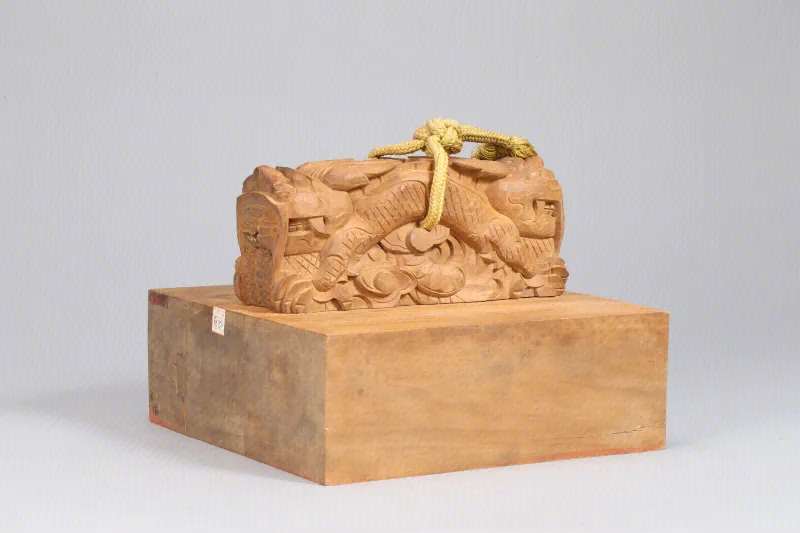
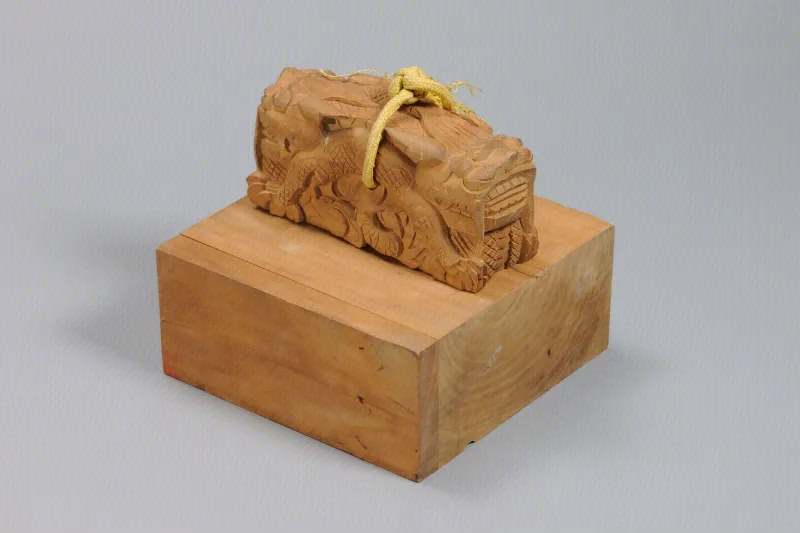
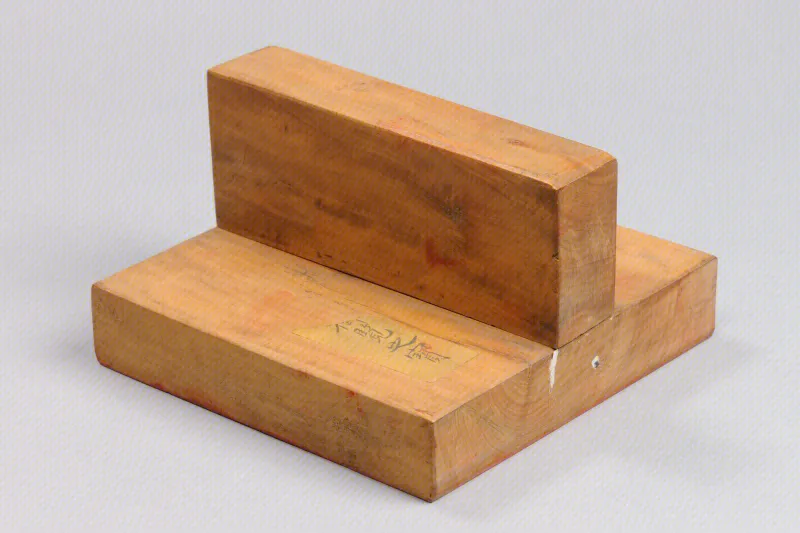
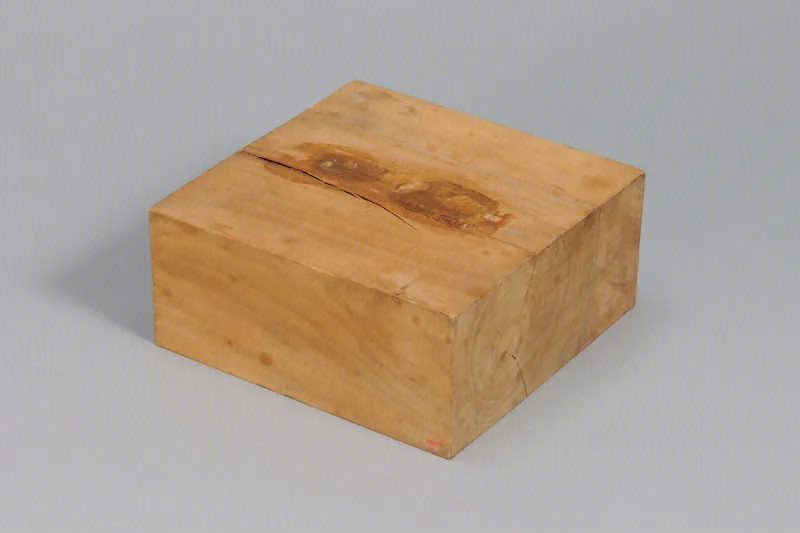
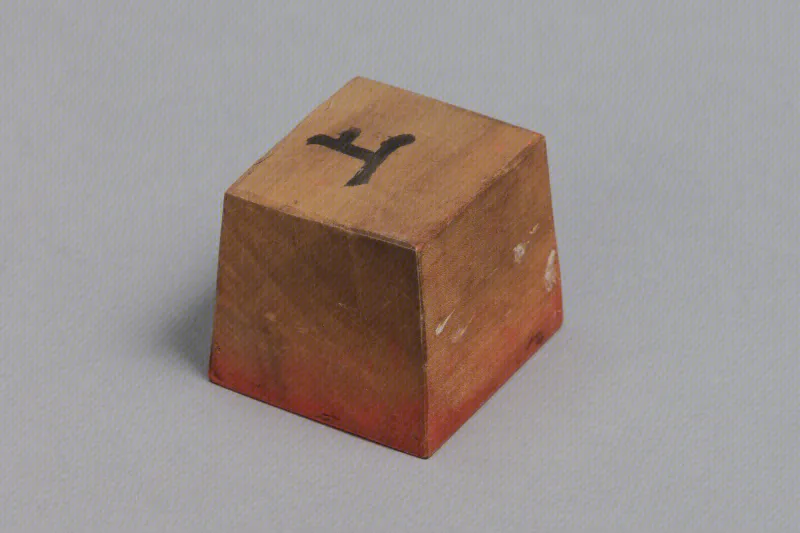
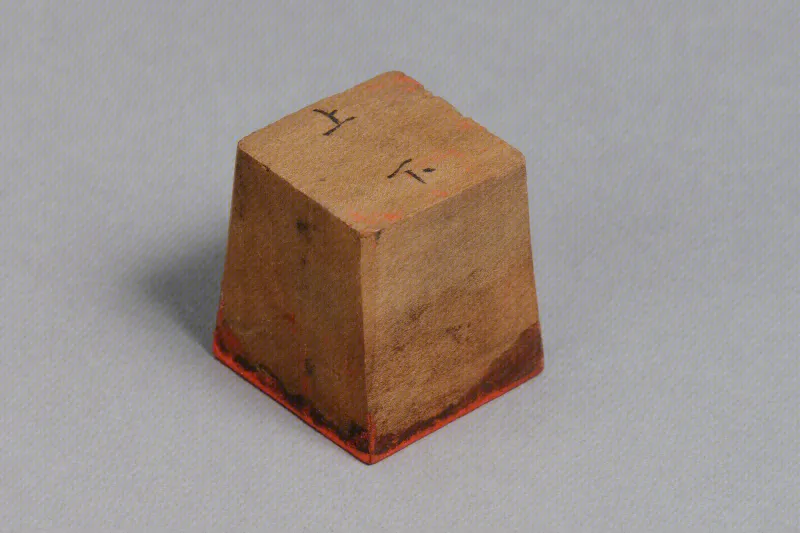
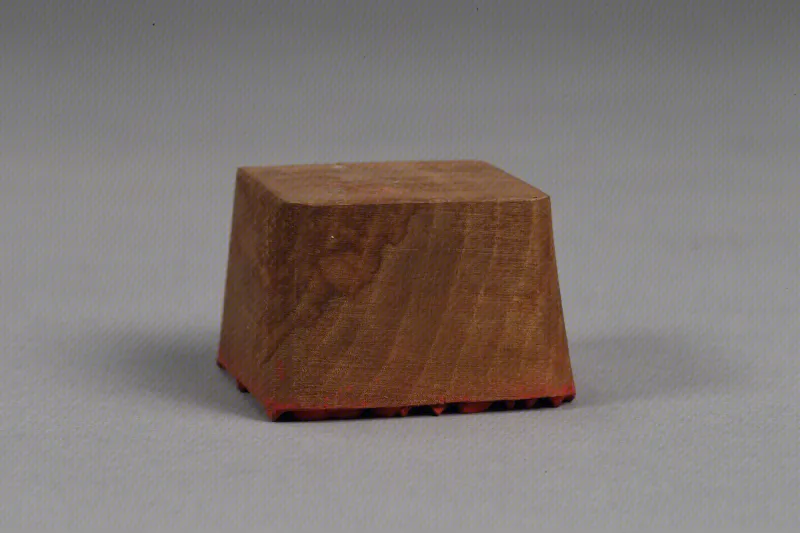
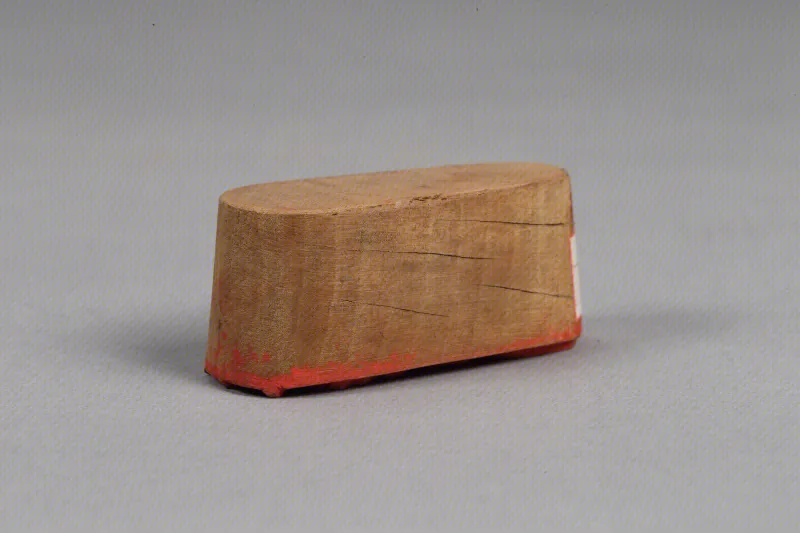
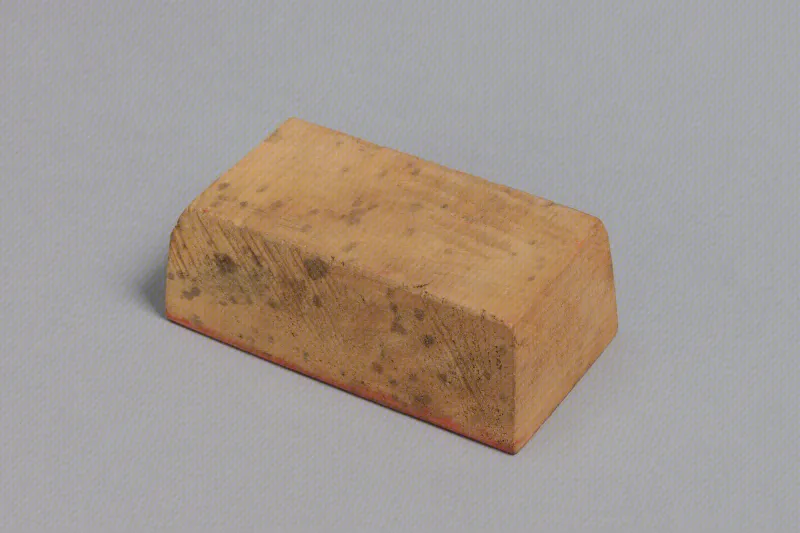
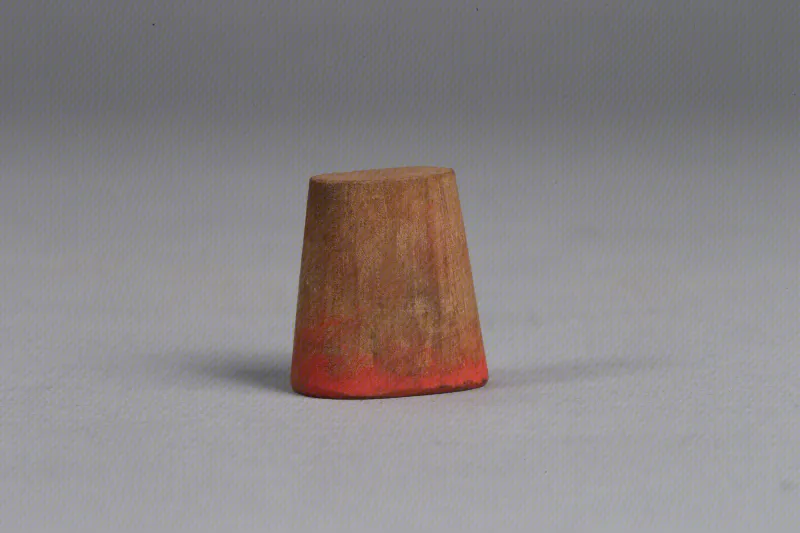
Next are illustrated a few of the wooden seals with no carving. The first has a simple handle and I suspect the second also had a handle that, over time, was dislodged. The next has the character indicating “top” so as to make it easier for the user to be sure which way is up without first looking at the seal face. The next has both “up” and “down” written on it (leaving nothing to doubt). The following has nothing indicating the direction in which it was to be stamped. Next are some plain seals, though considered important enough to be kept in the Palace collection.
Let me know if you can tell us anything more about these.