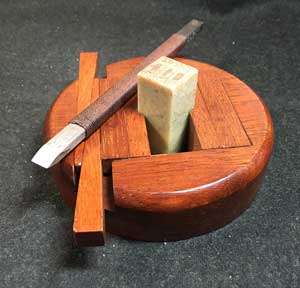
Don’t Play With Sharp Objects
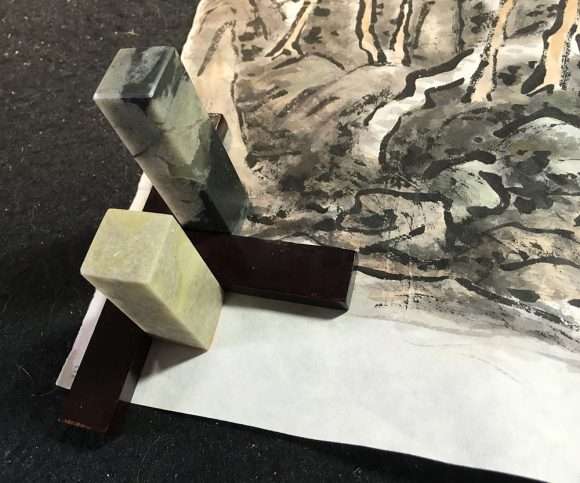
Using a seal vice is a good way to avoid accidentally cutting yourself if you hold your seal stone in your hands and the seal knife slips unexpectedly.
Using a seal vice is a good way to avoid accidentally cutting yourself if you hold your seal stone in your hands and the seal knife slips unexpectedly.
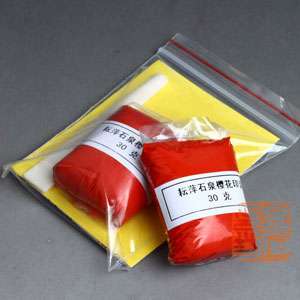
Seal ink sold in packets is relatively moist, as opposed to ink sold in tins which is usually harder and dryer.
“What stone is it?” is one of the most often asked question about Chinese seals.
An elderly Chinese scholar once asked me to cut a seal for him from a stone he had purchased in Taiwan.
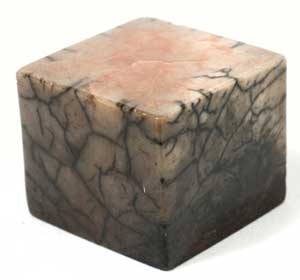
You might take it for granted that an expensive stone should be carvable but, as always, it’s buyer beware.
If you have both first and last name seals they’ll usually be opposites: one yin and one yang.
Happy accidents can occur when carving a seal and the blade slips unintentionally or the stone chips unexpectedly.
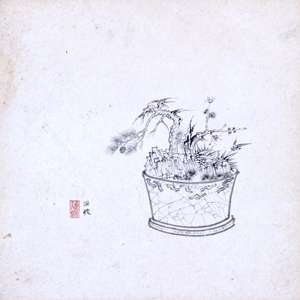
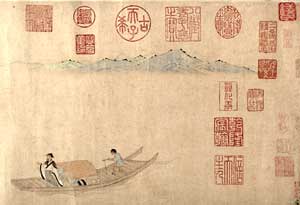
Probably the most common question from beginning artists is where to put a seal on their art.
The Chinese word yinni 印泥 can be translated into English as seal ink, ink paste, or seal paste.
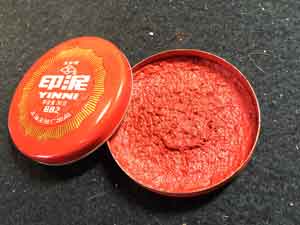
The red color of seal ink comes from the mineral cinnabar, which is then made into the color known as vermillion—and it’s poisonous.
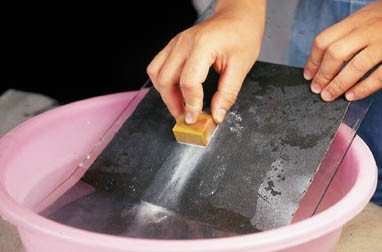
If you sand down your seal stone for any reason don’t use too fine a grit of sandpaper.