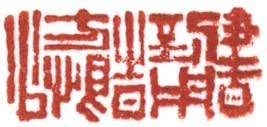
Using What You’ve Learned From Books
It’s when you’re using what you’ve learned from books that you wish you’d read more books.
It’s when you’re using what you’ve learned from books that you wish you’d read more books.
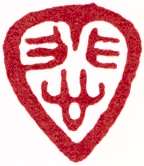
A seal from two thousand years ago certainly tells a story, we just don’t know what it is.
The Chinese say that “more is not as good as less and less is not as good as good.”
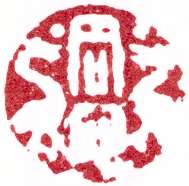
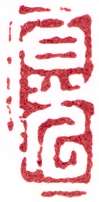
You’ll have to use your imagination to decide why the word “sunlight” (日光 riguang) was chosen for a seal from the Han dynasty (206 BC–220 AD).
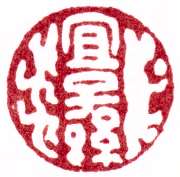
The phrase “Suitable Children and Grandchildren” (宜子孫 yizisun) goes to the primal Chinese idea of family.
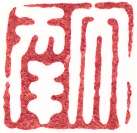
The phrase “Great Good Fortune” (大幸 daxing) is another example of Chinese seals with thoughts that represent wishes.
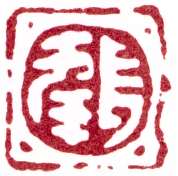
The phrase “lasting good luck” (長幸 changxing) is often found on seals from the Han dynasty (206 BC–220 AD).
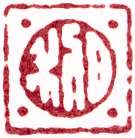
The phrase “Daily Profit” (日利 rili) was commonly found on Han dynasty (206 BC–220 AD) seals.
One Chinese dictionary translates the phrase xinhai 心海 as “the vast inner world of one’s feelings.”
Resting against a tall pine, just holding a stone in my hand, sitting and looking at the clouds.