A Great MacGuffin
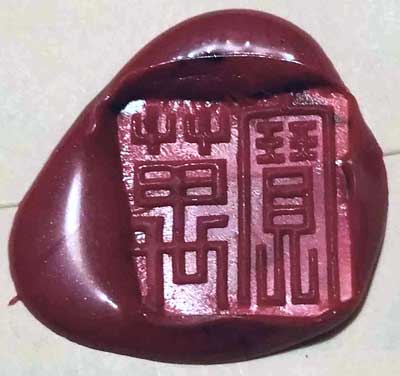
Someone recently sent information about a small Chinese seal made from carnelian “found lying on open ground in the bush in Dar es Salaam (East Africa) in 1948 and may well have been lying there for many years.”
Someone recently sent information about a small Chinese seal made from carnelian “found lying on open ground in the bush in Dar es Salaam (East Africa) in 1948 and may well have been lying there for many years.”
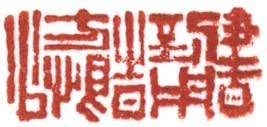
It’s when you’re using what you’ve learned from books that you wish you’d read more books.
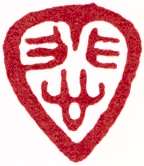
A seal from two thousand years ago certainly tells a story, we just don’t know what it is.
The Chinese say that “more is not as good as less and less is not as good as good.”
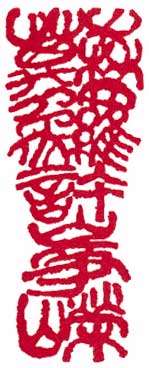
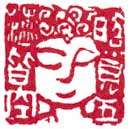
Six characters in a seal by contemporary Taiwan artist Lin Mengrong 林孟蓉 are from the third line of the Heart Sutra, “shed light on the five aggregates, and find them empty.”
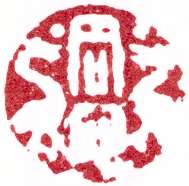
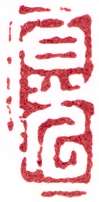
You’ll have to use your imagination to decide why the word “sunlight” (日光 riguang) was chosen for a seal from the Han dynasty (206 BC–220 AD).
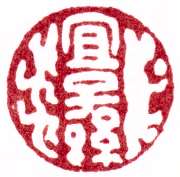
The phrase “Suitable Children and Grandchildren” (宜子孫 yizisun) goes to the primal Chinese idea of family.
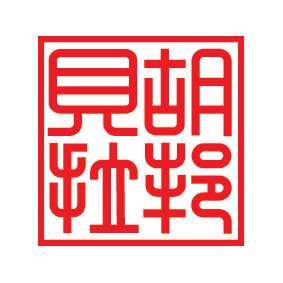
Bela Huppan recently sent a seal design he created for himself and asked for some feedback.
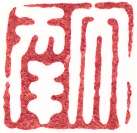
The phrase “Great Good Fortune” (大幸 daxing) is another example of Chinese seals with thoughts that represent wishes.
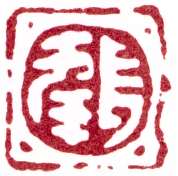
The phrase “lasting good luck” (長幸 changxing) is often found on seals from the Han dynasty (206 BC–220 AD).