Now and then I run low on seal carving stone. In the past, until I could get more, I tried a few things and one was to carve a seal into each end of a stone. I don’t recommend this as it makes it hard to find a finished seal you’re looking for when it comes time to stamp on a work of art. This brings up the topic of how to store your finished seals, but I’ll save that discussion for another day. The only time I recommend carving a seal on each end of a stone is when the two seal designs are intended to go together.
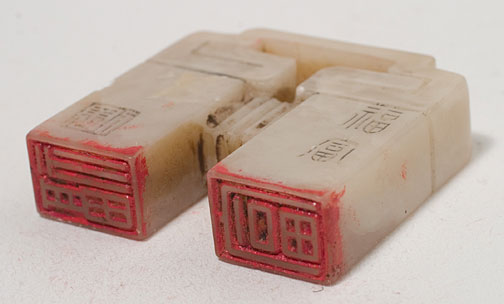
Here’s an example of two seals obviously intended to be stamped together, since they’re carved into the same stone.
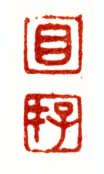
But when we see a pair of seals illustrated in a book, like this ancient example, we have no way to know if it was carved one above the other as in the example above, if it was carved into two separate stones, or if it was carved into the top and bottom of a single stone.
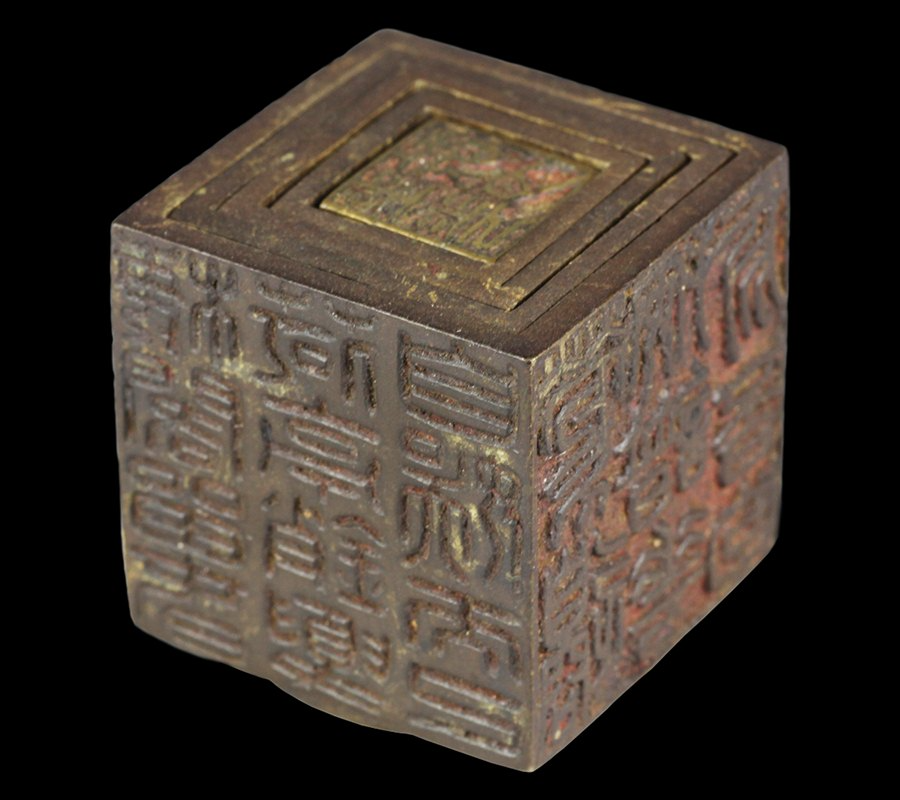
And there are many ancient bronze seals that have seals cast into several sides. In fact, in this case there are not only four seals—one on each side—but there are also seals nested inside that get smaller and smaller.
Another thing I tried, in order to make my stones last longer, was to cut a tall stone in half to make two shorter stones. Once again, I don’t recommend this method unless you still have enough stone to get a good grip on it when you go to stamp with it. A taller stone is more comfortable to hold.
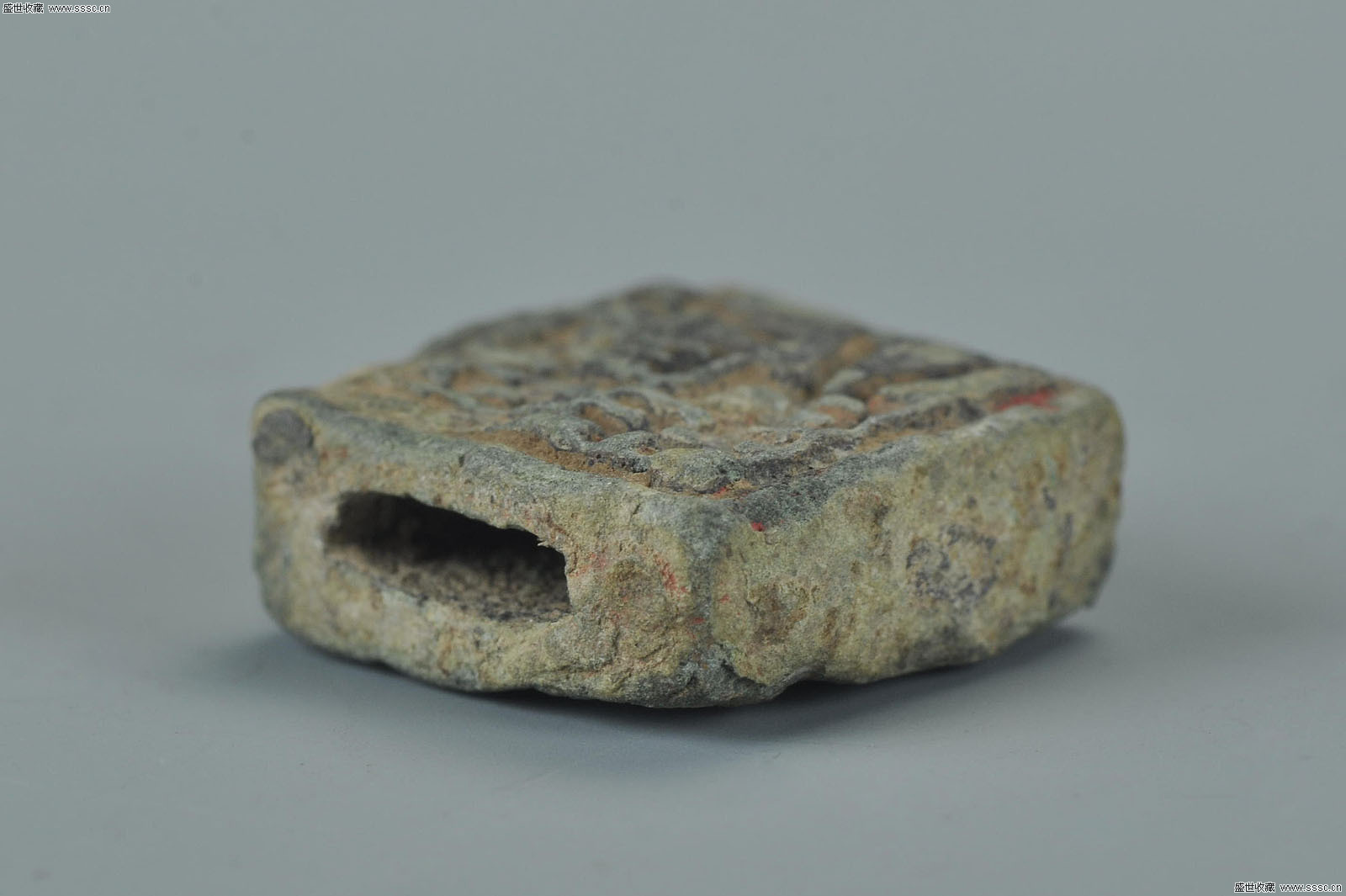
We often see ancient bronze seals like the one shown here that are very slim, with seals cast into each of the flat sides on top and bottom (the hole through the middle is for threading a cord for ease in carrying). But these seals were made to be stamped into clay—for use with ink they would be difficult to hold and probably very messy.
A last method to have more stone is simply to grind down a used stone and recarve it.