A Great MacGuffin
Someone recently sent information about a small Chinese seal made from carnelian “found lying on open ground in the bush in Dar es Salaam (East Africa) in 1948 and may well have been lying there for many years.”
Side Inscriptions
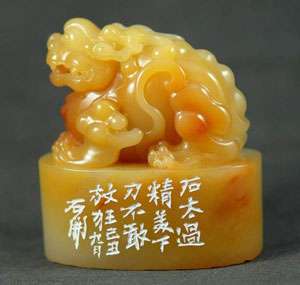
Seal artists often write on the sides of their seals (in Chinese called 邊款 biankuan).
Where Does It Start?
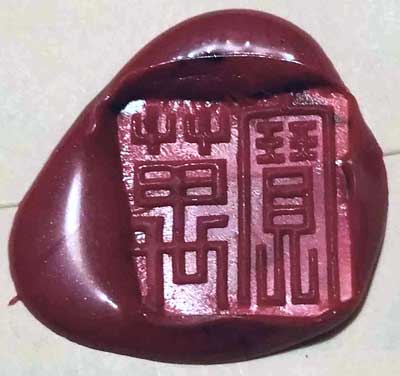
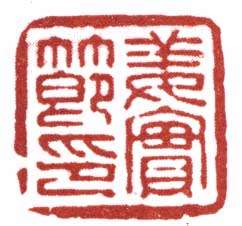
Chinese is traditionally written from top to bottom in columns that are read from right to left, in other words beginning in the top right corner and continuing to the bottom left corner.
Is It Soapstone?
“What stone is it?” is one of the most often asked question about Chinese seals.

Sadness
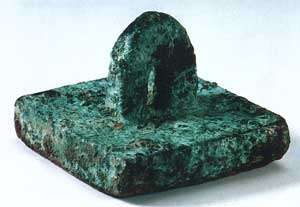
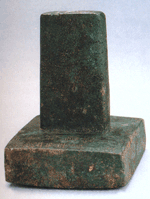
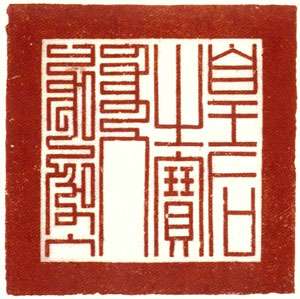
A seal from two thousand years ago certainly tells a story, we just don’t know what it is.
Sunlight
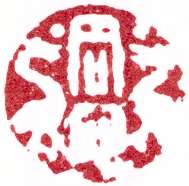
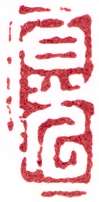
You’ll have to use your imagination to decide why the word “sunlight” (日光 riguang) was chosen for a seal from the Han dynasty (206 BC–220 AD).
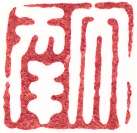
Great Good Fortune
The phrase “Great Good Fortune” (大幸 daxing) is another example of Chinese seals with thoughts that represent wishes.
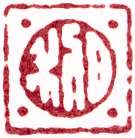
Daily Profit
The phrase “Daily Profit” (日利 rili) was commonly found on Han dynasty (206 BC–220 AD) seals.