Seal Ink Container Size
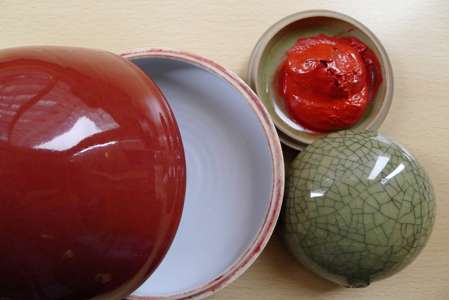
For your studio be generous in the size of your seal ink container.
Flat Ink
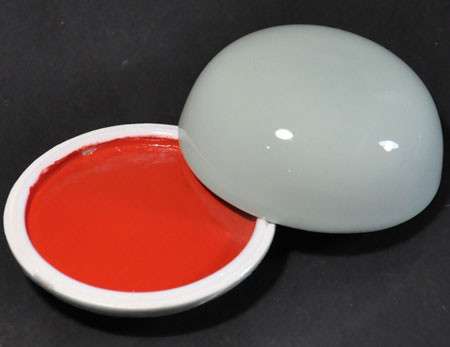
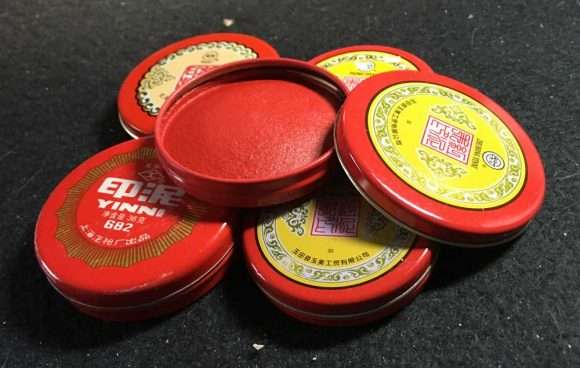
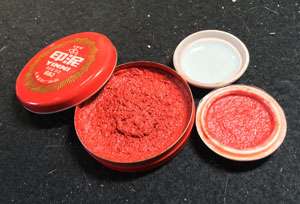
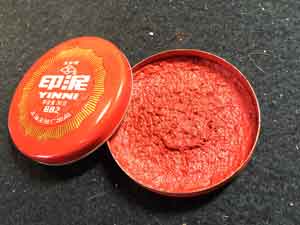
There are several problems with the seal ink commonly sold in small flat tins or in small, shallow ceramic bowls.
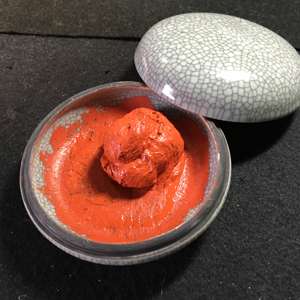
A Ball of Ink
If you roll your seal ink into a ball you are much less likely to pull fibers from the ink.
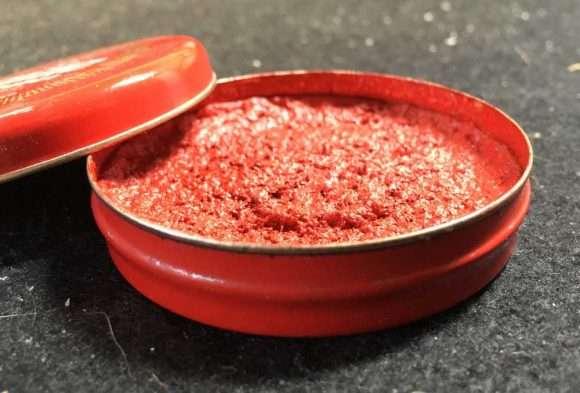
Oil-based Seal Ink
The third main ingredient of seal ink, along with color and binder, is oil.
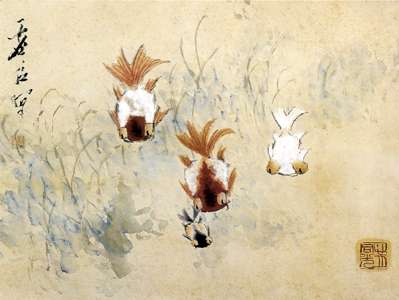
Use Quality Ink
You will want to use the best quality seal ink you can find and/or afford.
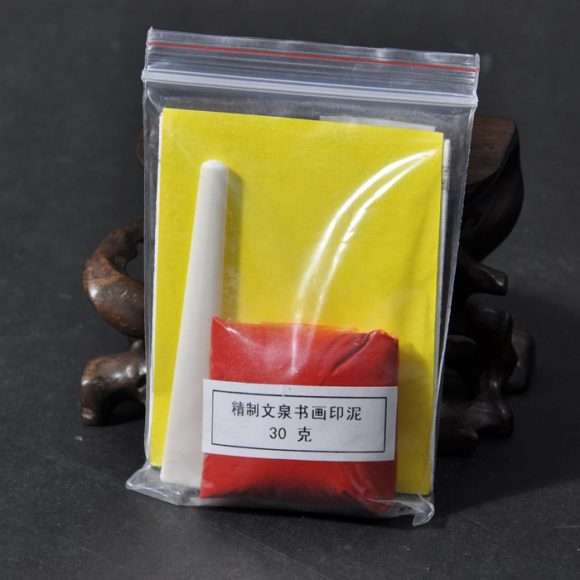
Where To Buy Seal Ink
A frequent question is where to buy seal ink and, unfortunately for many, the answer is to buy from an art supply store in China.
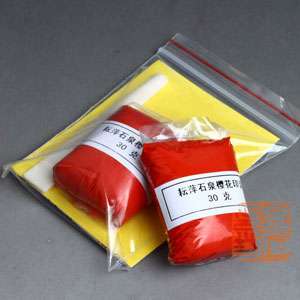
Seal Ink Packets
Seal ink sold in packets is relatively moist, as opposed to ink sold in tins which is usually harder and dryer.
By Any Other Name
The Chinese word yinni 印泥 can be translated into English as seal ink, ink paste, or seal paste.
Don’t Eat It!
The red color of seal ink comes from the mineral cinnabar, which is then made into the color known as vermillion—and it’s poisonous.
What’s Seal Ink Made Of?
Seal ink is a mixture of (commonly) red pigment mixed with oil and bound together with fibers—usually silk or plant fiber.