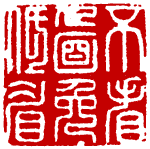
He Tong
He Tong (?-1628) 何通 was born in Tai-tsan, Jiangshu Province. “He was also a master of the Si-shui school. He was proficient in seal engraving
He Tong (?-1628) 何通 was born in Tai-tsan, Jiangshu Province. “He was also a master of the Si-shui school. He was proficient in seal engraving
Gu Ting (late Ming/early Qing dynasties) 顧听 was a native of Wuxian County, Jiangsu Province. “He made a living on seal making with his excellent
Ge Qian (?-1661) 葛潛 was an expert in imitating seals from the Han dynasty. He adopted a steady carving technique and used simple compositions. Pinyin:
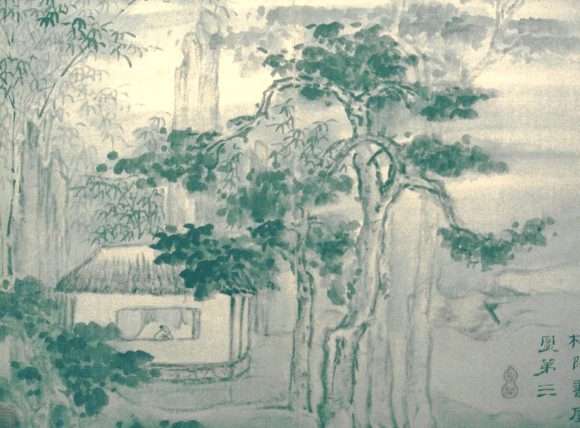
Gao Fenghan (1683-1749) 高鳳翰 … “was born in Shandong to a minor bureaucrat. He was a painter, poet, and seal-carver, and he later became associated
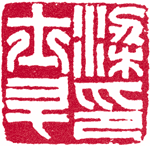
Gan Yang (?-1605) 甘暘 was born in Nanjing. He withdrew from society and lived in the Chicken-cage Mountain. He was good at calligraphy and was
Dong Xun (1740-1812) 董洵 was from Shaoxing and, though not Ding Jing’s apprentice, he closely followed Ding’s style and his later works looked very similar
The Chinese seal artist Ding Yuangong (early-mid 17th cent.) 丁元公 was a native of Jiaxing, Zhejiang province. He was also a noted calligrapher and landscape

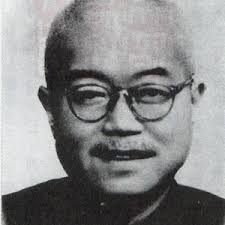
Deng Sanmu’s book on seal engraving is one of the most popular textbooks on the subject.

Deng Erya (1884-1954) 鄧爾雅 was born in Jiang-chi though his ancestral home was Guandong. He studied in Japan and then lived in Guangzhou after his
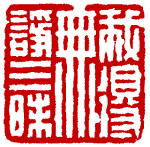
Chen Yuzhong (1763-1806) 陳豫鍾 was born in Hangzhou, Zhejiang province. Proficient in seal carving, he also loved to collect ancient seals, paintings, and books and